Custom Veneered Kitchen – The Nobility of Wood in Premium Edition
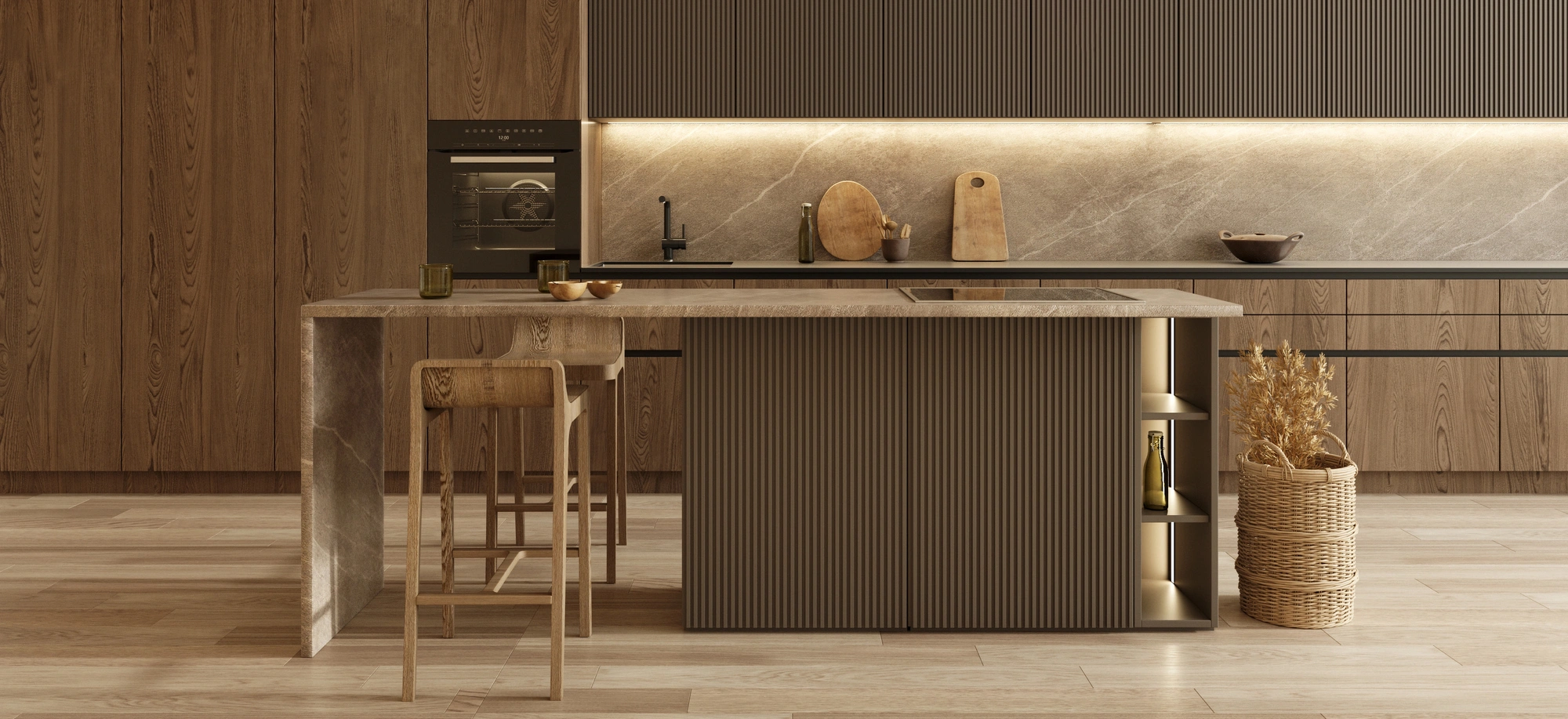
- 1. Veneered Kitchens
- 2. Veneer Kitchen Furniture - Why Trust Majewski Carpentry?
- 3. Majewski's Own Carpentry Workshop
- 4. FAQ - Everything You Need to Know About Veneered Kitchens and Kitchen Veneers
- 4.1. 1. What is a veneered board in the kitchen?
- 4.2. 2. What are the advantages of a veneered kitchen?
- 4.3. 3. Veneered Kitchen - What Are the Pros and Cons?
- 4.4. 4. Is a veneered countertop in the kitchen a good idea?
- 4.5. 5. How to clean veneer furniture in the kitchen?
- 4.6. 6. When is it worth choosing oak for the kitchen interior?
- 4.7. 7. Stone Veneer in the Kitchen - Knowledge from a Furniture Manufacturer
- 4.8. 8. Walnut Veneer - What Are the Varieties Used in Kitchen Furniture?
- 5. Find the Nearest Majewski Furniture Showroom
Veneered Kitchens
Do you dream of a kitchen that captivates with authenticity while offering the stability of modern technology? A veneered kitchen is the choice for those who accept no compromises. In our own carpentry workshop, we select the finest sheets of natural wood to create cabinetry with soul for you. Veneer kitchen is a solution combining the luxurious appearance of solid wood with the resistance of furniture board to deformation.

Veneer Kitchen Furniture - Why Trust Majewski Carpentry?
By choosing veneered kitchen furniture from a manufacturer with its own carpentry facilities, you gain the assurance that every grain pattern on the fronts is carefully planned. We create what is known as "grain continuity," whereby the wood pattern flows seamlessly from one cabinet to another, creating a cohesive, almost artistic image.

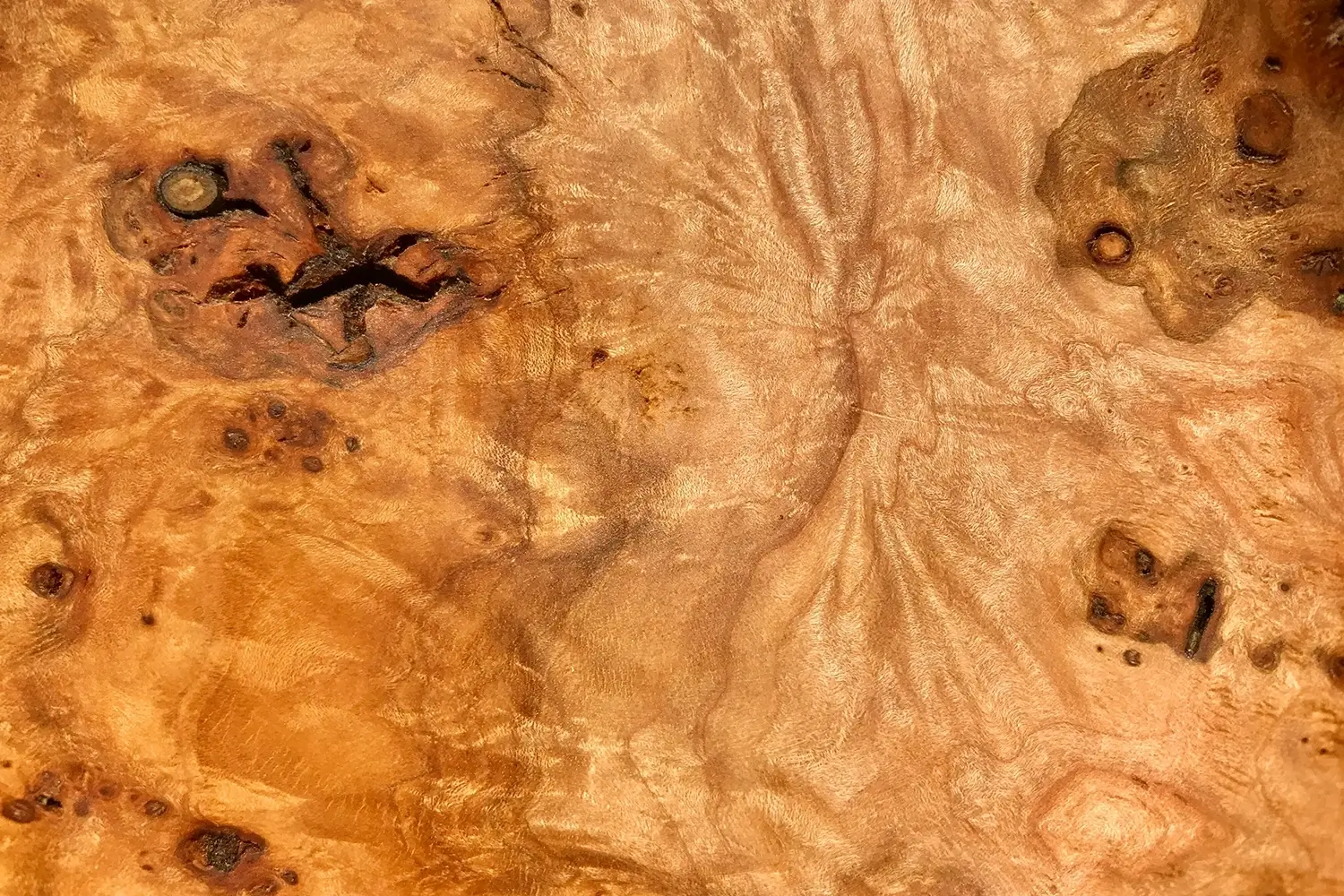
Burl Veneer

Stained Oak Veneer

Ash Veneer (light, brushed, aged ash)
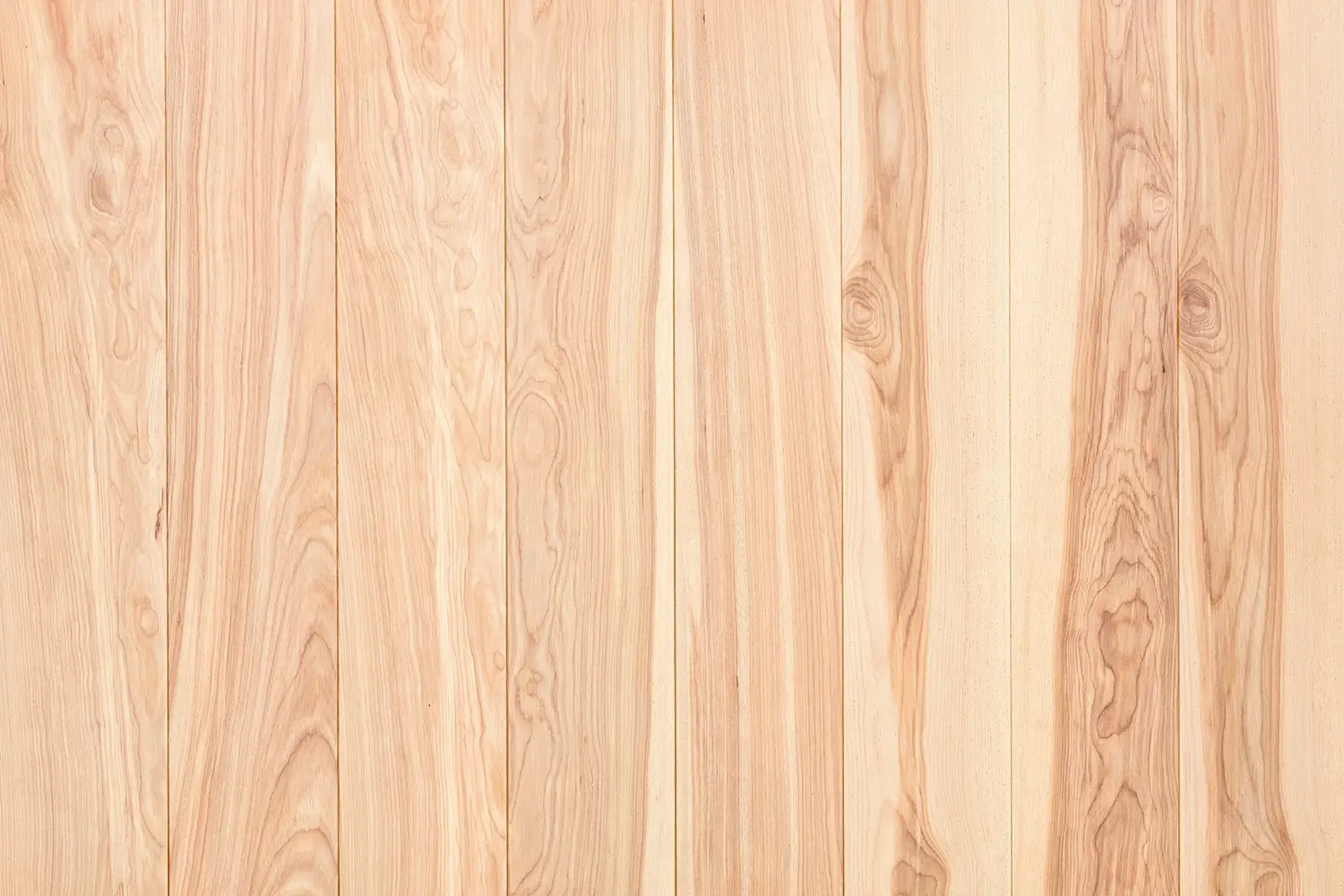
Ash Veneer
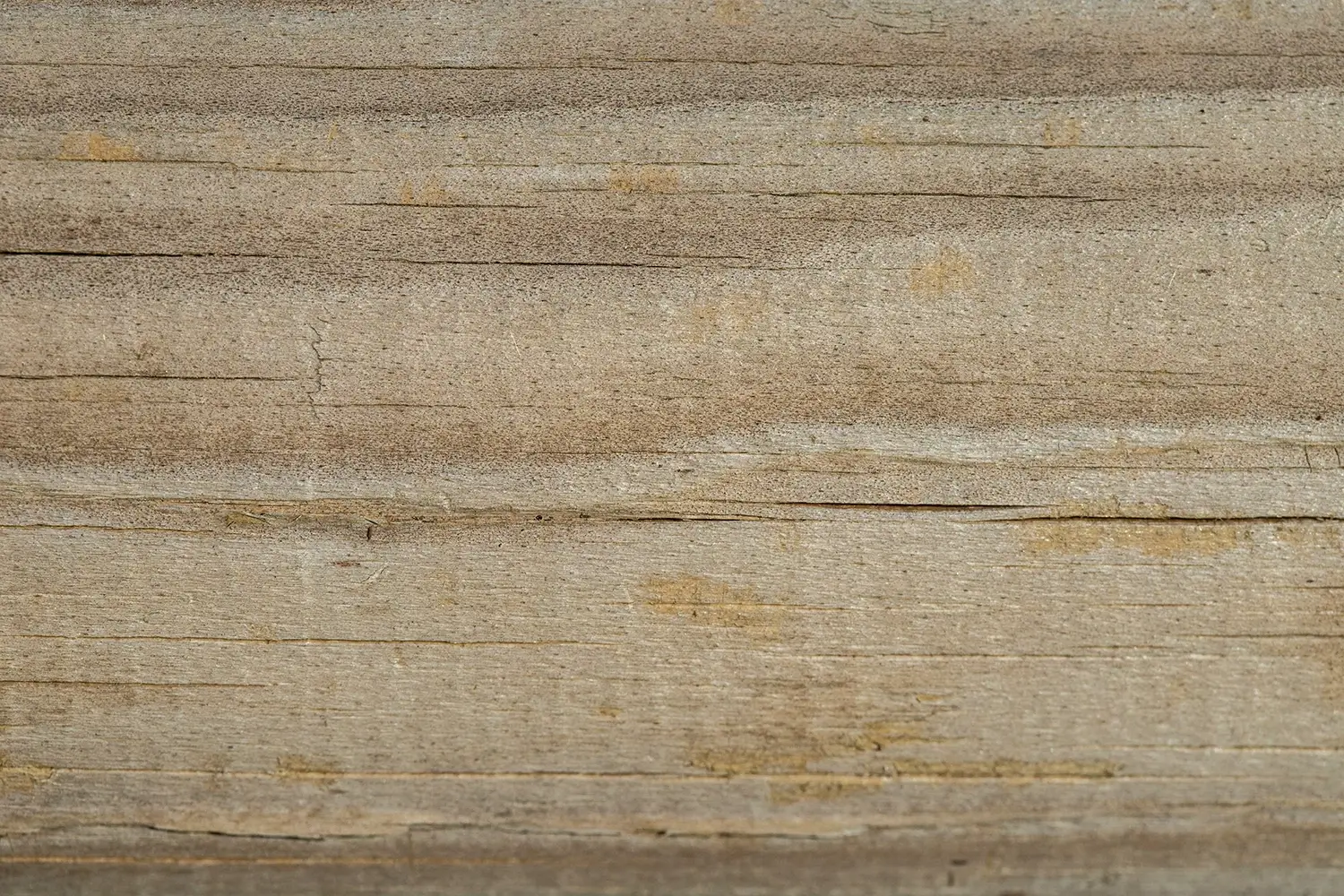
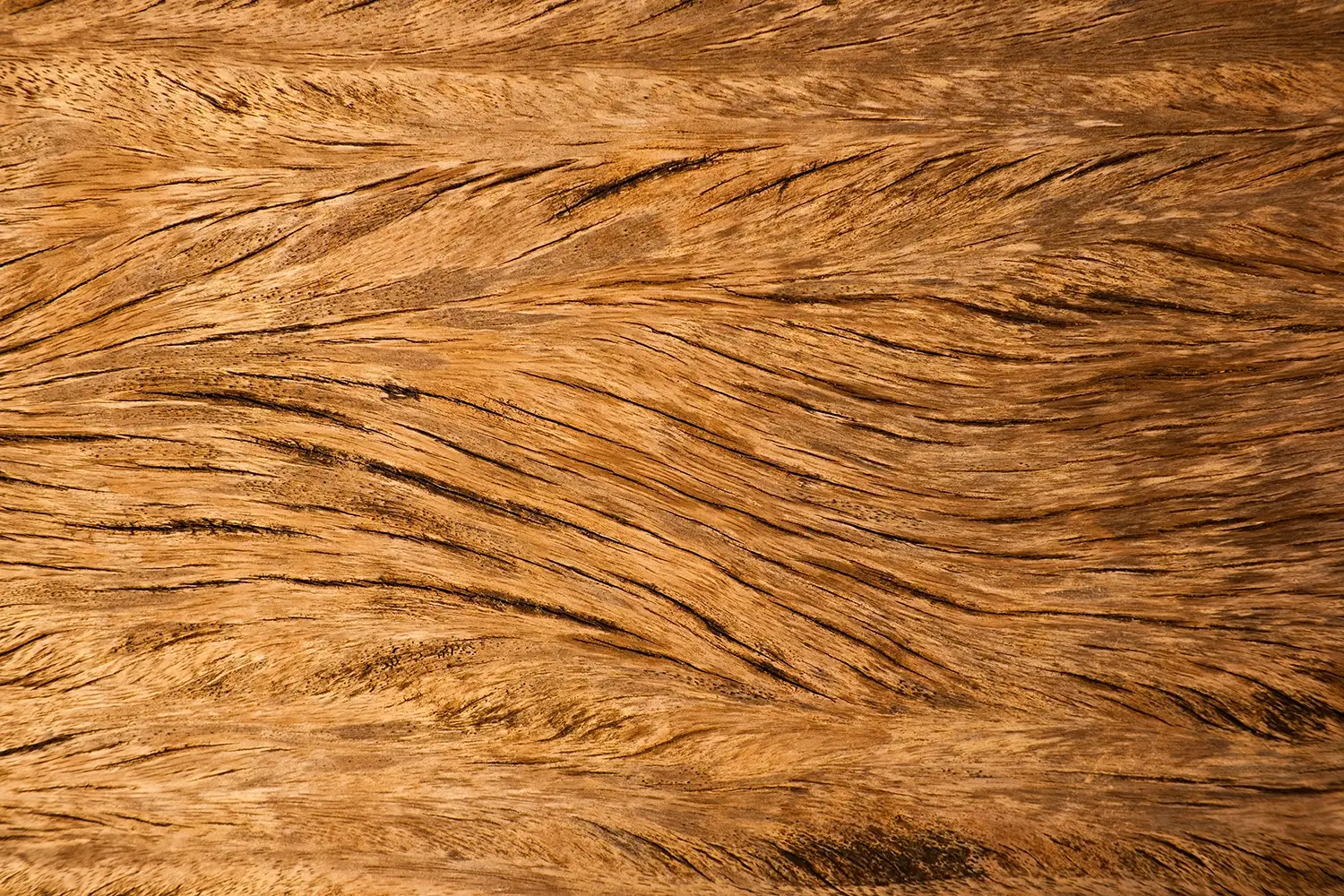
Brushed Veneer
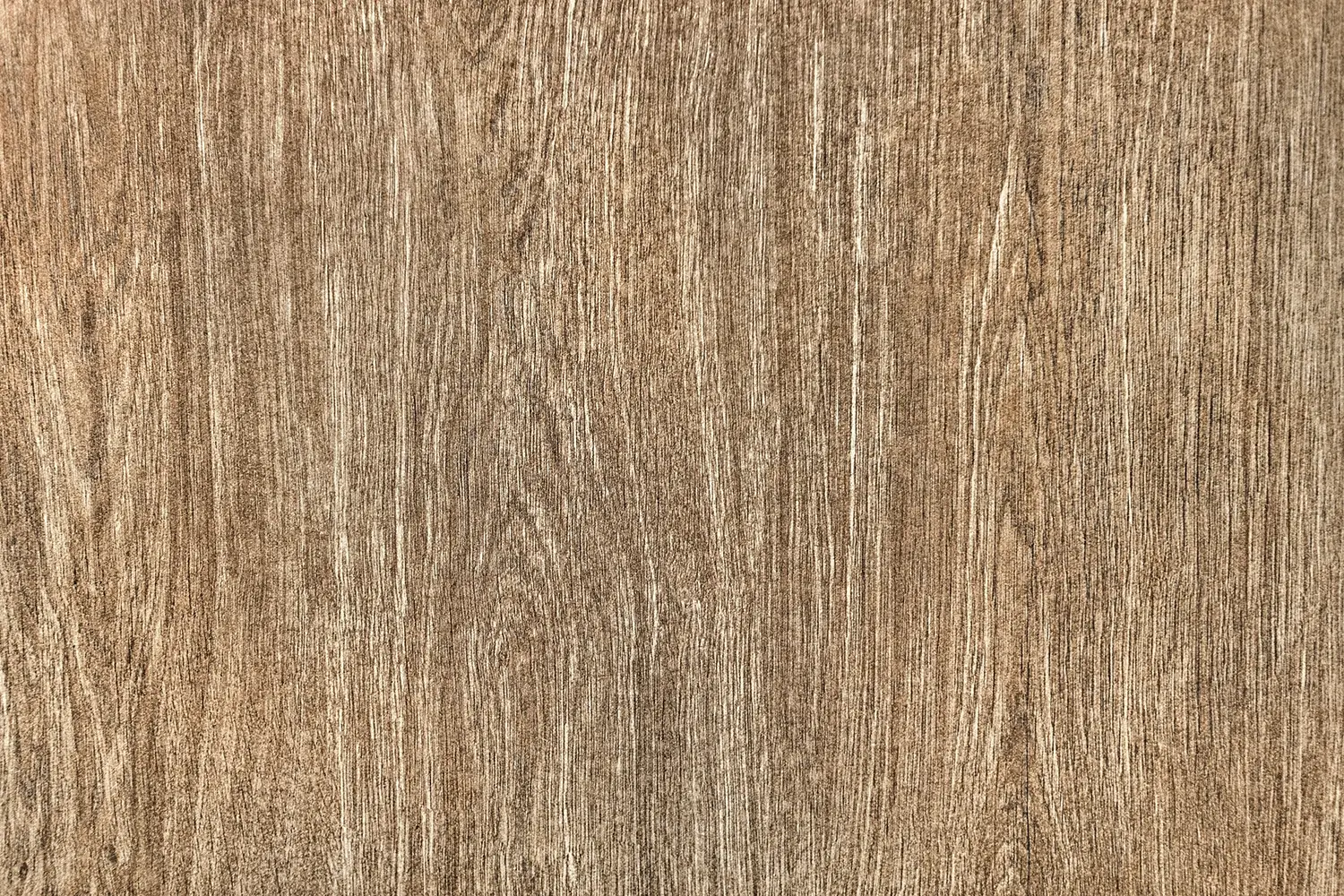
Wenge Veneer or Deeply Brushed Stained Oak
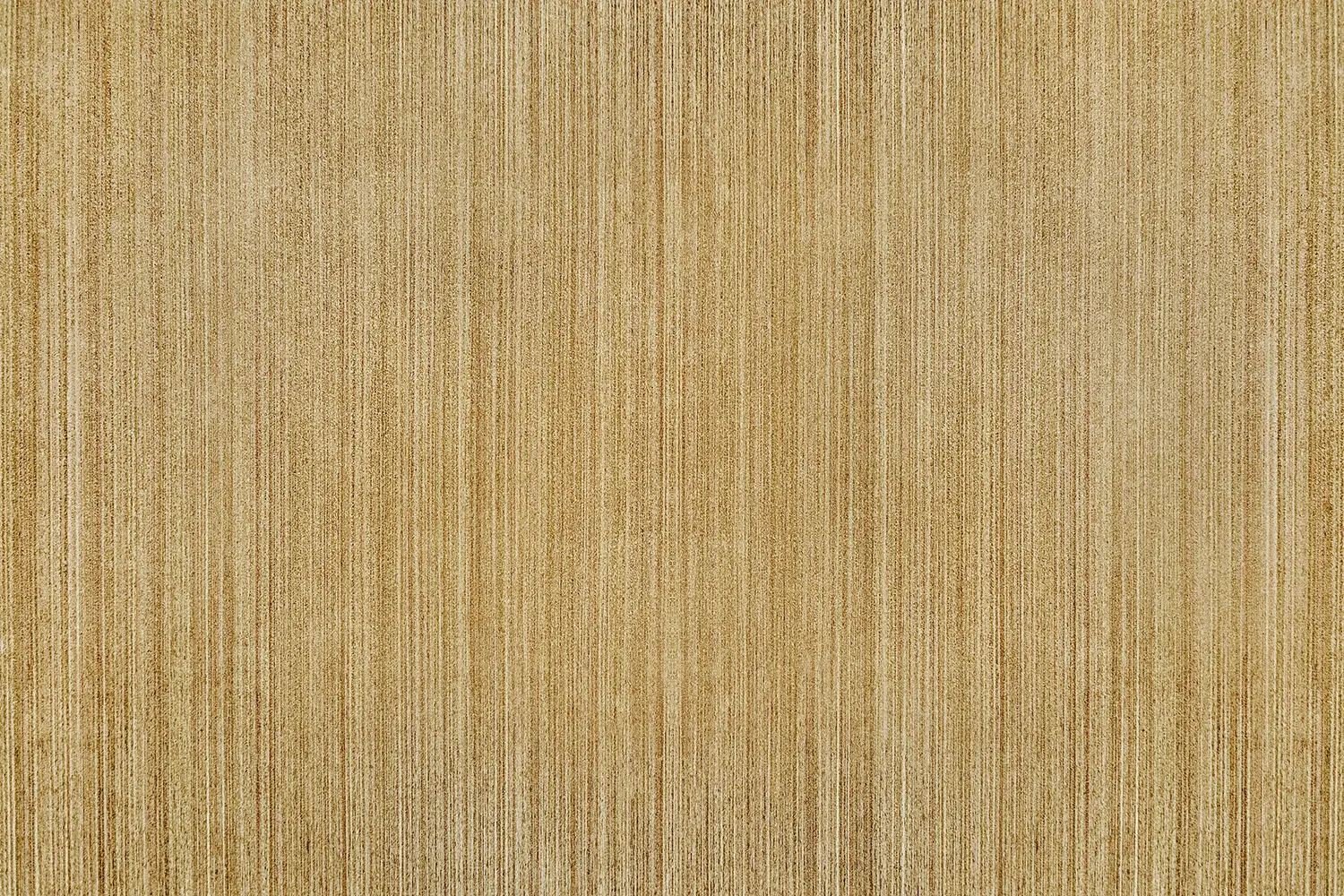
American Walnut Veneer
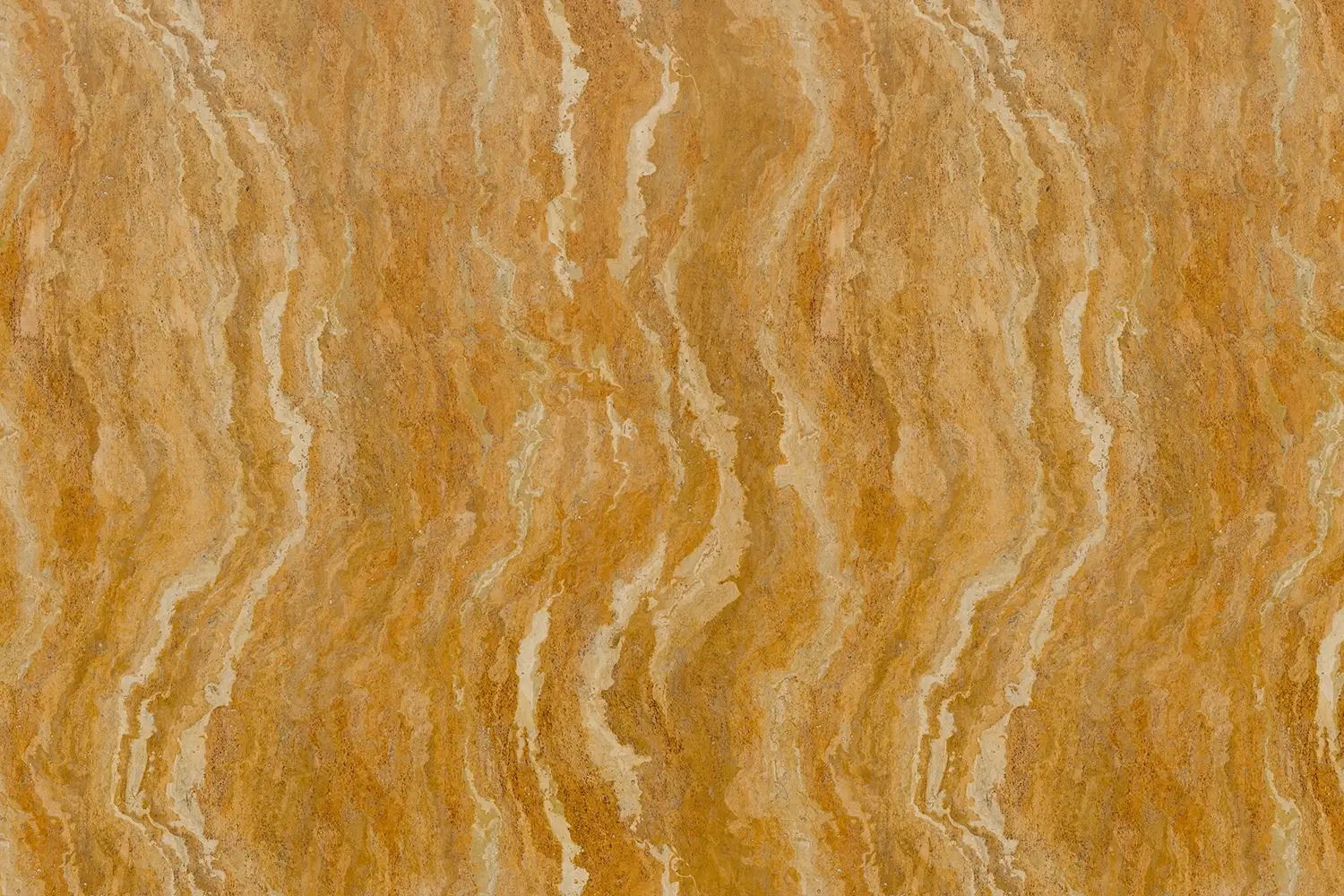
Modified Veneer - Oak
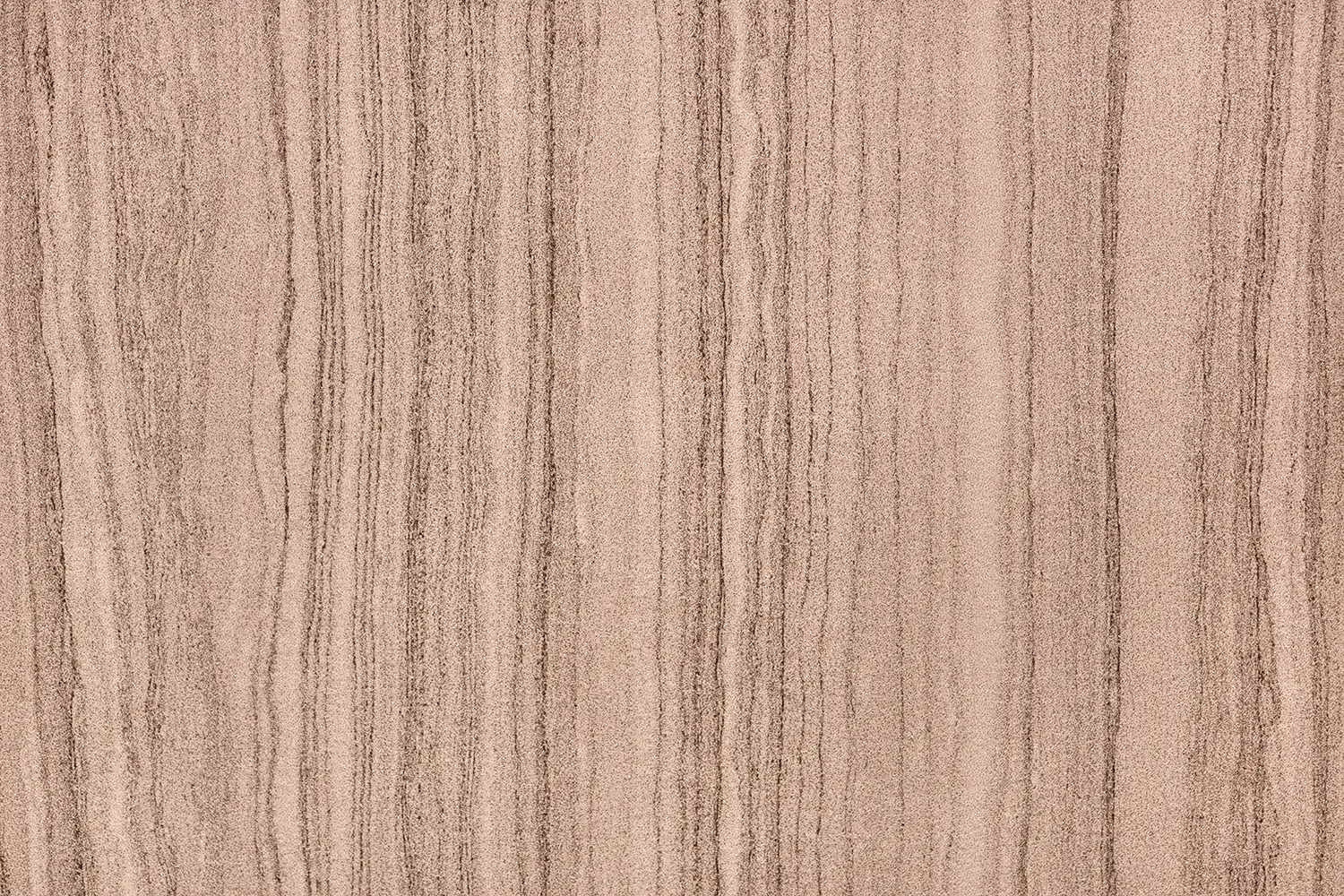
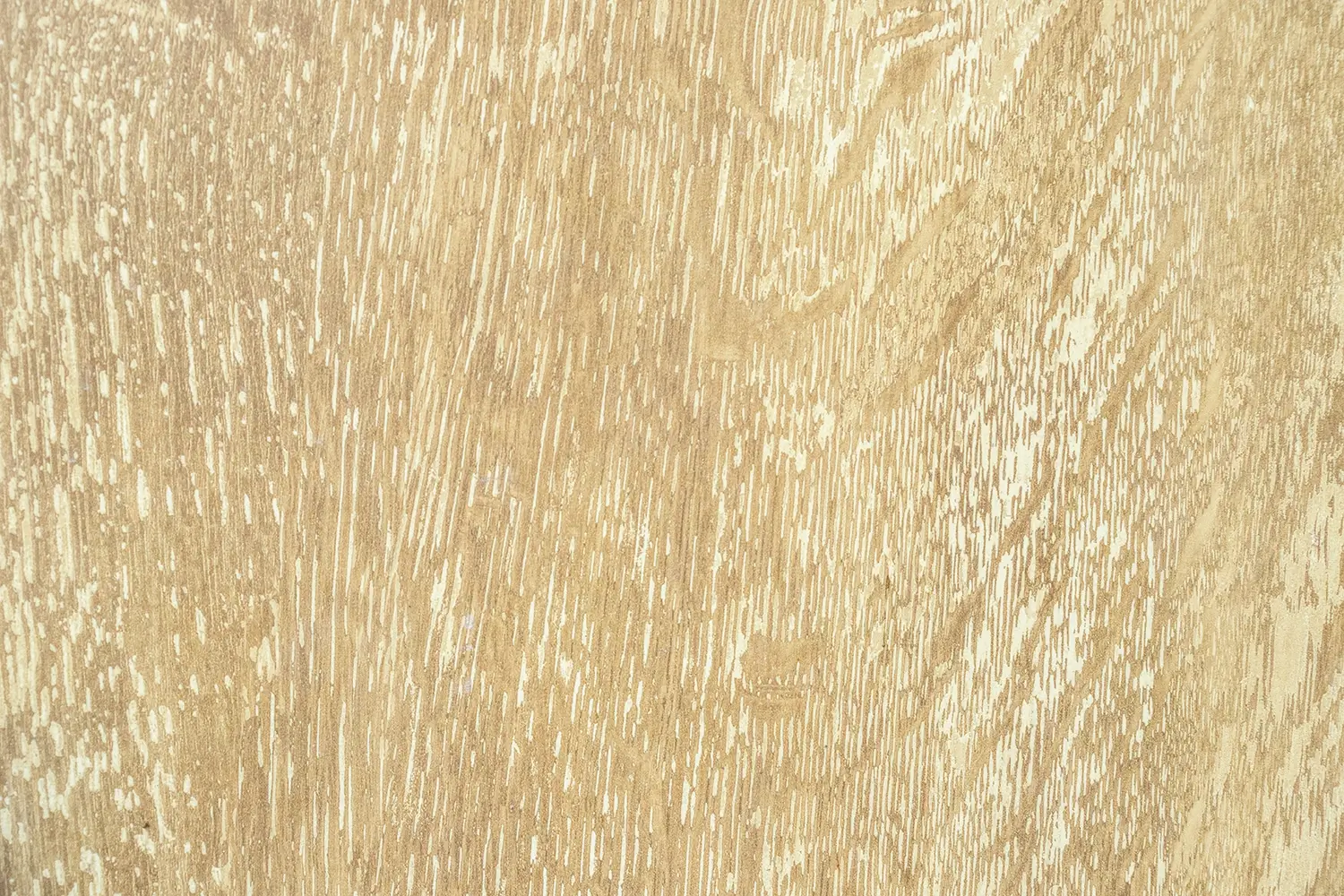
Natural Oak Veneer
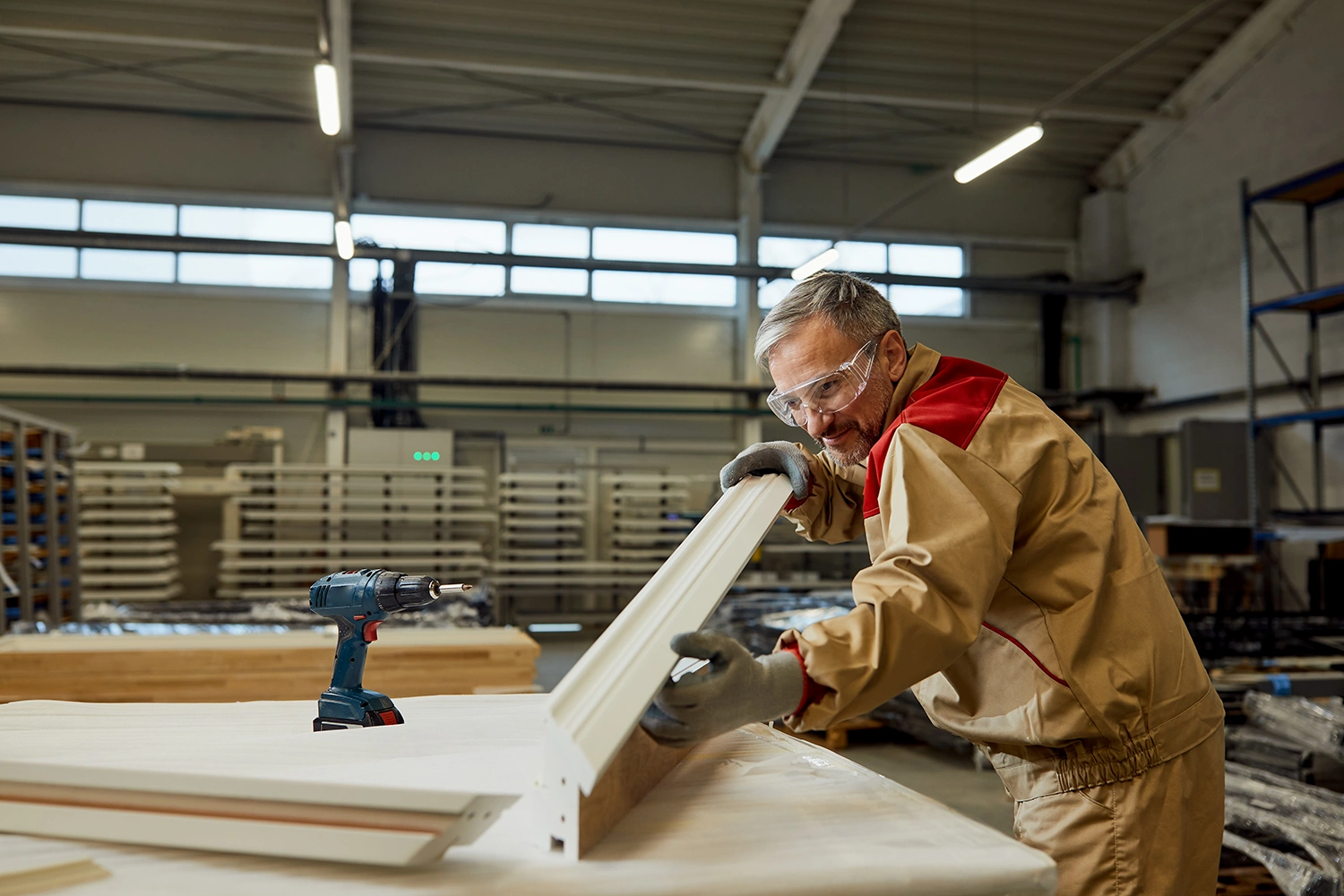
Oak Veneer Kitchen - Timeless Strength and Natural Serenity
Oak is the king of European interiors. Natural oak veneer kitchen is our proposal for lovers of durability and bright, luminous spaces. Oak finish brings prestige to the interior, and thanks to the various finishing techniques we employ, we can achieve the effect of raw wood or deep matte.
- Oak veneer kitchen - ideal for modern classic and Scandinavian styles.
- Oak veneer kitchen - resistance to years of use and ease of maintenance.
Walnut Veneer Kitchen - The Essence of Luxury and Depth of Color
If you seek expressiveness, walnut has no equal. In our offer, you will find a wide range of this species:
- American walnut veneer in the kitchen: Dark, chocolate color with purple reflections - this is the definition of a premium kitchen.
- Italian walnut veneer in the kitchen: Classic elegance with a warmer, honey-toned shade.
- California walnut veneer: For those seeking unique, dynamic patterns.
- Dark walnut veneer kitchen: Deep color that, combined with appropriate lighting, creates an intimate, luxurious atmosphere.
- Burl kitchen furniture (walnut burl veneer): This is a proposal for connoisseurs. The characteristic "eyes" and intricate grain swirls make each front a unique work of art. This is the finest

Majewski's Own Carpentry Workshop
Majewski's own carpentry workshop enables the custom creation of both classic and modern veneered kitchens, using oak, walnut, and stone veneers. Below you will find a description of individual variants and practical guidelines. The choice of material for cabinet fronts and kitchen walls has a tremendous impact on the durability and atmosphere of the space. Veneer consists of thin sheets of natural wood with a thickness ranging from approximately 0.1 mm to several millimeters. This material allows you to enjoy the beauty of wood without the need to invest in expensive solid boards. Veneer is glued under pressure to MDF board, particleboard, or blockboard, resulting in lightweight, stable, and aesthetic fronts.
We invite you to contact our advisors.
Let us create together a kitchen that will be your calling card.
Talk to an expert
MAJEWSKI Kuchnie i Wnętrza Studio is a place where every custom kitchen project becomes reality.
We specialize in the design, fabrication, and installation of loft, modern, and classic kitchens, as well as furniture for wardrobes and living rooms.
FAQ - Everything You Need to Know About Veneered Kitchens and Kitchen Veneers
1. What is a veneered board in the kitchen?
A veneered board in the kitchen is a base made of high-quality MDF or particleboard, onto which a thin layer of real wood (veneer) is glued. This gives us the appearance and feel of solid wood, but the furniture is more dimensionally stable and does not "move" as intensively under the influence of moisture or temperature.
2. What are the advantages of a veneered kitchen?
Natural aesthetics and uniqueness. Each veneered board has a different grain pattern arrangement, so no one in the world will have an identical kitchen. Veneer brings a classic, warm character to the kitchen, while walnut adds retro and elegant notes. It is a more economical use of raw material, making a veneered kitchen environmentally friendly. The veneer can be matte, satin, or glossy; it comes in many wood species and colors, from bleached maple to dark walnut.
3. Veneered Kitchen - What Are the Pros and Cons?
Advantages: Authentic wood appearance, uniqueness of each front, possibility of renovation (varnishing), prestigious character.
Disadvantages: Higher price than laminates, requires proper care (avoiding aggressive chemicals). However, as a premium manufacturer, we ensure that our varnishes protect the veneer at the highest level.
4. Is a veneered countertop in the kitchen a good idea?
A veneered kitchen countertop looks stunning and cohesive with the fronts, but requires more attention than a stone countertop. At Majewski carpentry, we recommend using veneered countertops primarily in dry zones (e.g., on islands or tables), where direct contact with water at the sink is limited.
5. How to clean veneer furniture in the kitchen?
For daily care, a slightly damp, soft cloth (microfiber) is sufficient. Avoid excess water and strong detergents. From time to time, it is worth using dedicated products for varnished or oiled furniture, depending on the finish you choose in our carpentry workshop.
6. When is it worth choosing oak for the kitchen interior?
- You are looking for timeless aesthetics that will not go out of fashion.
- You want natural oak veneer kitchen furniture resistant to daily use.
- You like visible grain and the warm color of wood, which pairs well with light walls and stone countertops.
7. Stone Veneer in the Kitchen - Knowledge from a Furniture Manufacturer
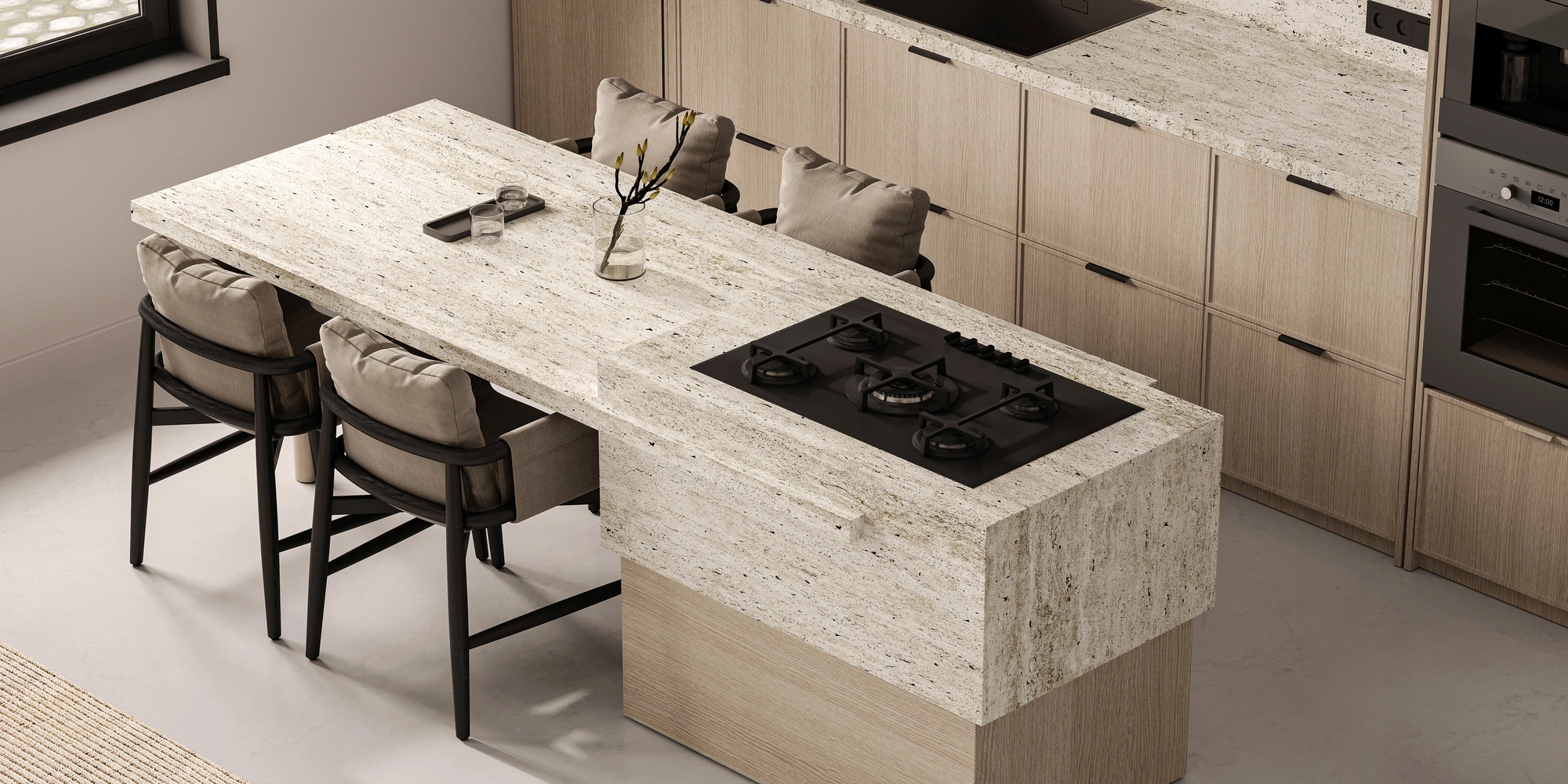
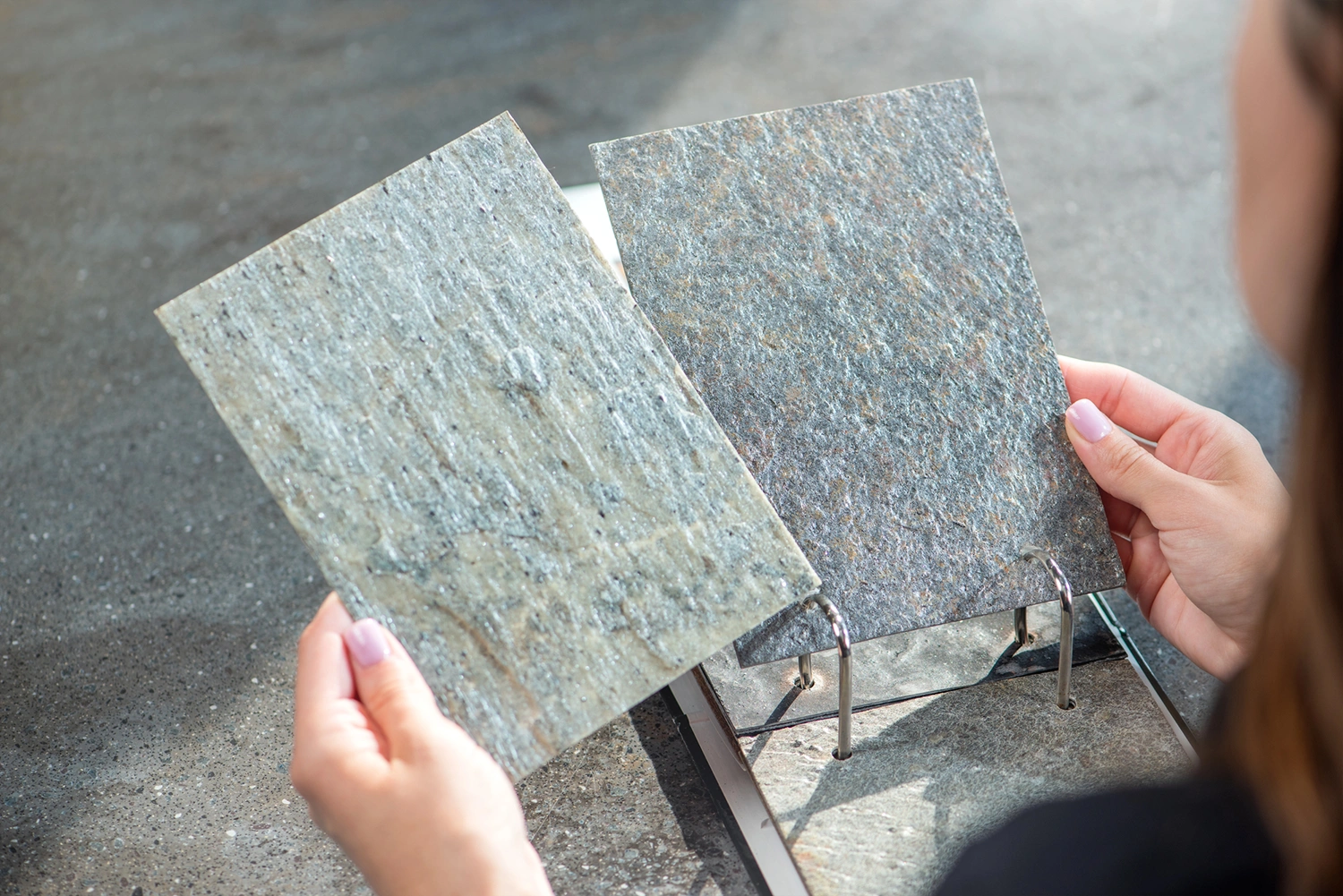
Stone veneer is a material made from natural slate; a thin layer of stone (up to 2 mm) is combined with fiberglass mesh and resin, so it retains the texture of stone but is lightweight and flexible. One sheet of stone veneer weighs approximately 1 kg and has a thickness of up to 3 mm, which means it can easily be used to veneer cabinet fronts, a kitchen island, or a section of wall. Stone veneer can have dimensions of up to 122 × 244 cm. Majewski Kitchens and Interiors offers stone veneer in an ultra-thin version for use in loft kitchens.
Why Choose Stone Veneer?
- Unique appearance. Each sheet of stone veneer has a unique texture, color, and veining resulting from natural minerals. The combination of the uneven, split stone surface with smooth fronts creates a striking contrast.
- Ease of processing. Stone-veneered panels can be cut with sheet metal scissors or a saw, without the risk of crumbling. Due to their flexibility, they can also be used to veneer curved surfaces.
- Practical advantages. Stone veneer is resistant to UV radiation and water, weighs several times less than classic stone tiles, and its installation is simpler and cheaper than installing a traditional slab.
- Eco-friendly choice. The production and transport of stone veneer generate less pollution than standard cladding.
Stone veneer in a modern kitchen works well on cabinet fronts, in the backsplash area, or on a kitchen island. It can be combined with wood veneer or lacquered fronts to achieve an original, "jewelry-like yet premium" effect.
8. Walnut Veneer - What Are the Varieties Used in Kitchen Furniture?
Warmth and Elegance
Walnut veneer is associated with warmth and a touch of retro. Interiors in walnut shade are among the most popular solutions in kitchen designs because they bring a lot of warmth and vintage atmosphere to the arrangement. Walnut veneer captivates with deep shades of brown and a subtle grain pattern, giving the space an exclusive character. Moreover, it is versatile: it suits classic, modern, and glamour arrangements, and pairs perfectly with metal or glass elements.
Most Popular Types of Walnut in the Kitchen
American Walnut
American walnut veneer has a distinctive grain pattern and a wide palette of browns - from light, warm tones to dark, almost chocolate hues. In interior designs, it is often combined with stone with an expressive pattern, balanced by simple fronts with milled handles. American walnut looks good both in bright kitchens with white upper cabinets and in combination with dark, matte panels.
Italian Walnut
Italian walnut is a material with a warm, medium-brown color and a wavy pattern. In the Katowice project by Widawscy Studio, American walnut veneer (a type of Italian walnut) captivated with its color and grain pattern; in the arc of the cabinetry, the architects incorporated a niche for a shelf, and the small work area was finished with stone. This type of veneer combines with light stone and smooth surfaces, emphasizing the prestige of the kitchen.
California Walnut
California walnut is a variety with a more exotic coloring. The sheets have deep, dark brown hues with a slight hint of red. California walnut veneer creates an impression of coziness and luxury in the kitchen; it looks particularly good in combination with subdued, light fronts and black details. Its hardness and resistance to damage allow you to enjoy the beauty of the furniture for many years.
Walnut Burl - Exceptional Patterns
Burl is wood with natural "spots" - characteristic patterns form when a tree is attacked by viruses; burls appear on the trunk, and the scars they leave create picturesque patterns on the surface. Burl was popular during the Art Deco period (see traditional kitchen), and is currently experiencing a renaissance: it is the hottest trend of the season. Walnut burl has a deep, dark brown color with irregular "peacock eyes" and gives furniture an exceptional character. Architects advise combining burl with neutral materials - natural fabrics, subdued colors, smooth tiles, glass, or metal - so that the expressive pattern does not compete with other designs. A single piece of burl-veneered furniture is enough for the kitchen to acquire a fashionable flair.
Find the Nearest Majewski Furniture Showroom
We invite you to visit our showrooms and contact our team of experts who will help you realize your vision of perfect furniture.